

Sustainable Forestry & African American Land Retention Network Transitions to Nonprofit, Expanding Its Impact Across the Rural South
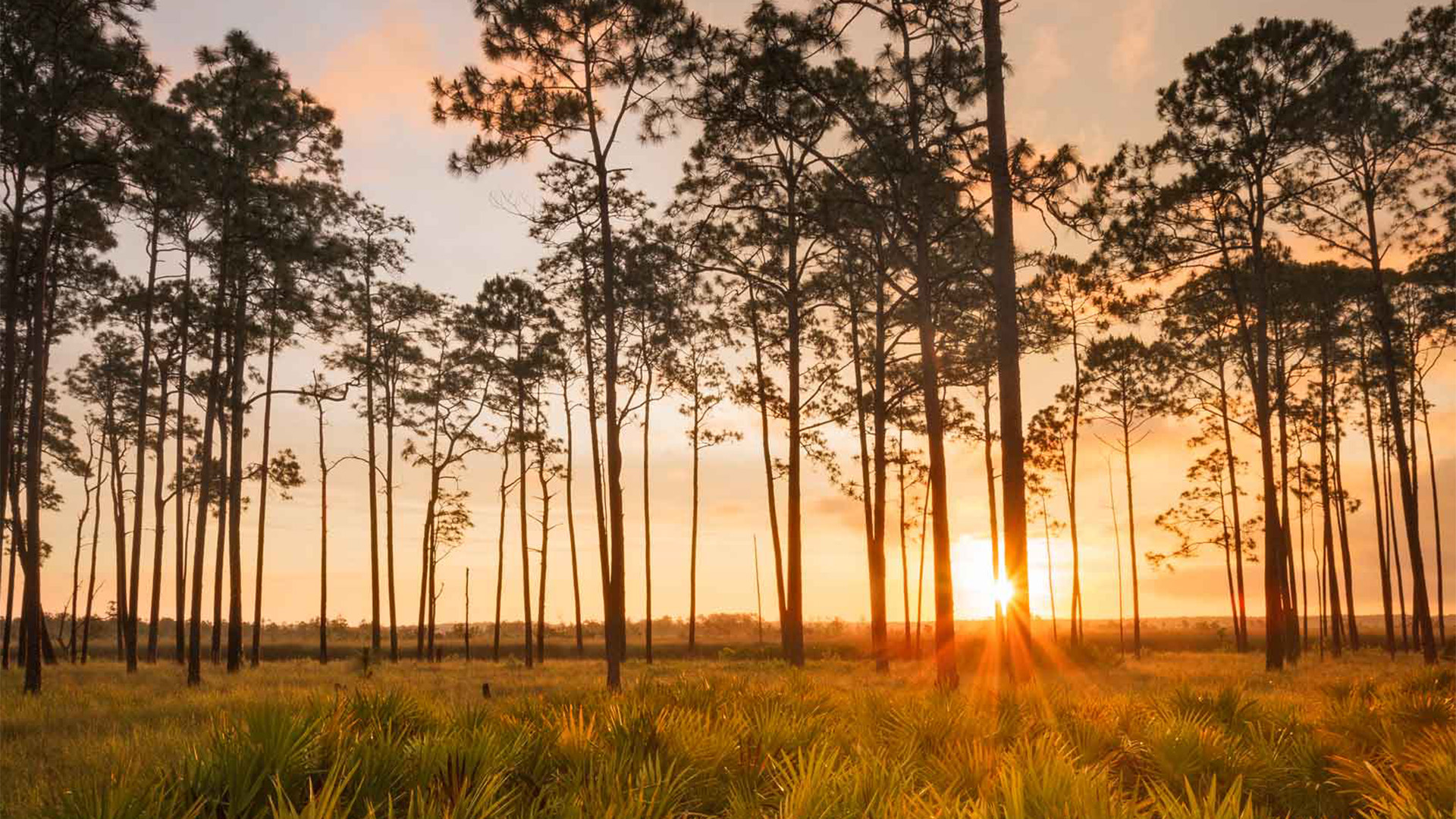
Photo credit: Mac Stone
Sustainable Forestry and African American Land Retention Network Transitions to Nonprofit, Expanding Its Impact Across the Rural South
The U.S. Endowment for Forestry and Communities and the Sustainable Forestry and African American Land Retention (SFLR) Network, a pioneering initiative launched in 2012 through support from the U.S. Endowment for Forestry and Communities and the U.S. Department of Agriculture, today announced its official transition to an independent nonprofit organization. The move marks a new chapter in SFLR Network’s evolution—from initiative to institution—solidifying its place as a national leader in advancing land retention, economic resilience and responsible forestry among rural landowners in the South.

Bethaney Wilkinson
Executive Director of SFLR NetworkFor more than a decade, SFLR Network has served as a vital bridge between small-acreage landowners and the forestry and conservation sectors. What began as a pilot program connecting families to resources, legal support and forestry expertise has grown into a national network spanning seven member sites across the Southeast, with plans for continued expansion. Together, they have supported more than 5,000 landowners and helped families retain and responsibly manage more than 200,000 acres of land.

Alicia Cramer
Chief Operating Officer at the U.S. Endowment for Forestry and CommunitiesAs a nonprofit, SFLR Network will continue to advance its mission of empowering landowners through education, access to resources and support for land and forestry policies that help landowners build generational wealth. The transition also positions SFLR Network to attract new philanthropic partnerships, expand its Forestry Fund to support landowner access to capital and elevate its national visibility through collaborative initiatives and public engagement.
The announcement follows a live conversation hosted on LinkedIn between Wilkinson and Delie Wilkens, director, communities at U.S. Endowment for Forestry, which reflected on SFLR Network’s history, celebrated this milestone and shared a glimpse of what’s ahead for the organization and its partners. For more information about SFLR Network please visit: www.sflrnetwork.org.
About the Sustainable Forestry and African American Land Retention (SFLR) Network:
The Sustainable Forestry and African American Land Retention (SFLR) Network is a national 501(c)(3) nonprofit organization and network of sites dedicated to building generational legacies through forestry and land retention. Originating as an initiative of the U.S. Endowment for Forestry and Communities and the USDA, SFLR has grown into an independent institution serving more than 5,000 landowners and helping families manage over 200,000 acres of forestland across the Southeast. Through education, access to resources and support for responsible land management practices, SFLR ensures that land remains a source of strength, legacy, and opportunity for generations to come. Learn more at: www.sflrnetwork.org.
About the U.S. Endowment for Forestry and Communities:
The U.S. Endowment for Forestry and Communities is a not-for-profit public charity collaborating with partners in the public and private sectors to advance systemic, transformative, and sustainable change for the health and vitality of the nation’s working forests and forest-reliant communities. To learn more about the Endowment, please visit our website at www.usendowment.org.